

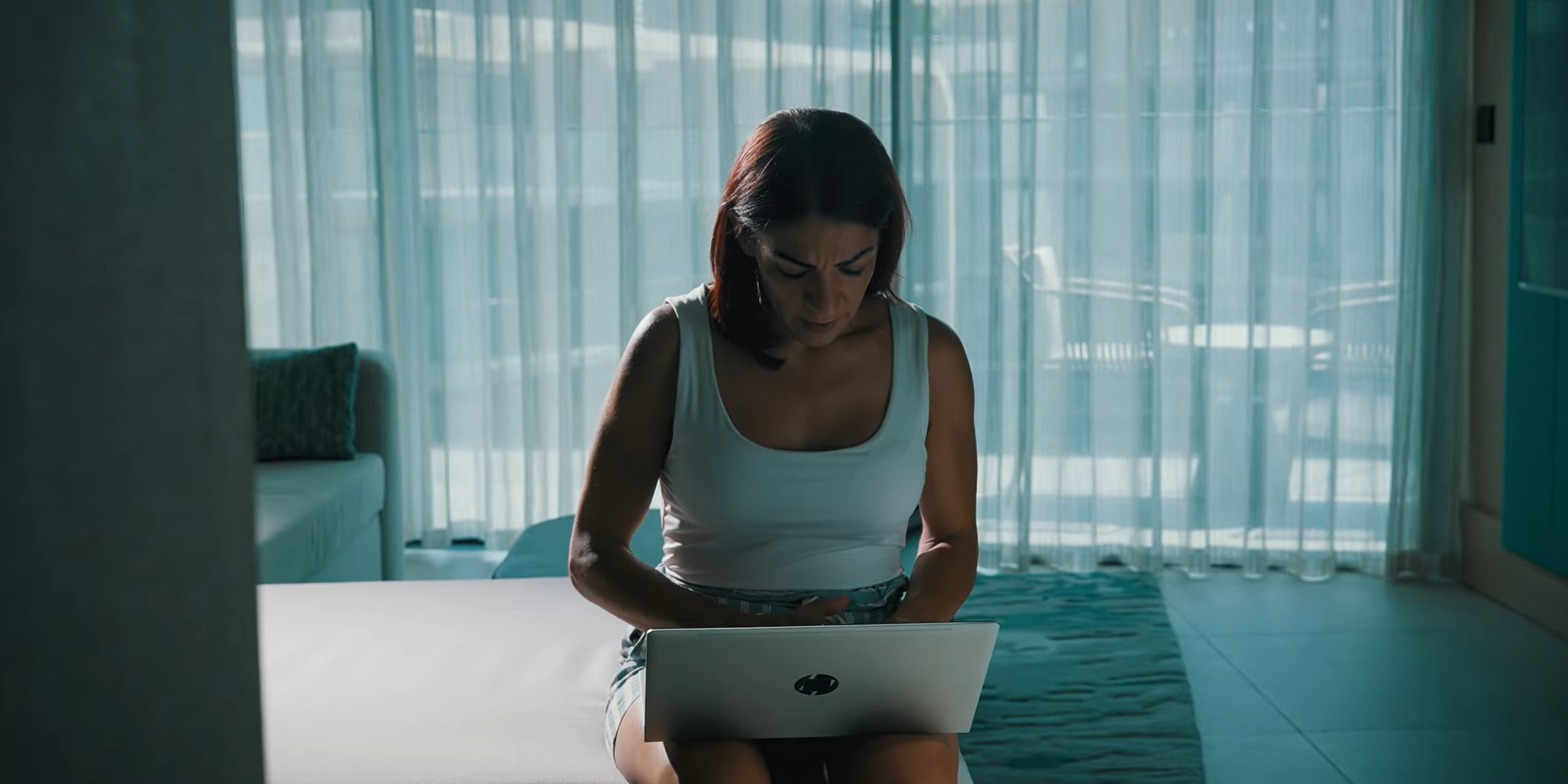
Digital channels have created numerous benefits but there is an unfortunate consequence of being in “an online space”: it exposes people to the risks of cyberbullying and hate speech – which can come from anywhere and at any time.
Cyberbullying can take so many forms: abusive and threatening messages sent directly to the victim; lies spread online; private photos and videos made public. All these things can cause anguish and humiliation.
The impact can be profound: cyberbullying and hate speech can cause upset, stress and anxiety. It can affect the victim’s work, studies and social life, and cause them to withdraw from their normal circle of friends and family.
Our exposure to digital platforms, mobile phones, messaging apps and social media makes this risk even more insidious: there is hardly anywhere left to turn when you want to feel safe.
In Malta, this serious issue is one of a series being dealt with through a campaign organised by the National Cybersecurity Coordination Centre under the umbrella of the MITA (MITA-NCC). This episode is being delivered in collaboration with the Malta Police Force.
The problem is already on the international agenda. In July 2025, the European Parliamentary Research Service warned about the risk of bullying using digital technologies, explaining that while traditional bullying and hate speech for a victim “ends when the contact ends, such as at the end of a school day, cyberbullying can be carried out at any time of the day or night. It can be spread more quickly to a wider audience and provides anonymity to perpetrators”.
The threat is by no mean rare: a 2024 study by the World Health Organisation (WHO) found that one in six adolescents (15%) experienced cyberbullying. This is why the WHO and the EU carried out a study and found that this should be an urgent priority area – not only for the region but also at country level.
As a global problem, cyberbullying and hate speech are being tackled through a framework of legislation, activism and campaigns, all of which try to prevent it but also to help victims by raising awareness on how to realise when is happening, how to deal with it and who to reach out to for help.
What should you look for? Short videos will re-create realistic, everyday scenarios raising awareness of how people’s online safety may be threatened or negatively impacted. The videos are based on a foreign national being targeted and threatened online because of her nationality. The scenario shows that individuals can hide behind fake profiles, making the whole thing even more threatening. These are clear examples of cyberbullying and hate speech: and in Malta, both of these are criminal offences.
What if you are targeted? These, and any similar examples of cyberbullying or hate speech, should be reported to the Police immediately. Take screenshots of any threatening comments and report the incident to the Police via website pulizija.gov.mt or by calling tel. 21224001.
Once you have done that, you are advised to block the individuals responsible for sending the threatening messages.
Over the coming months, look out for more campaigns linked under the slogan, “Int Importanti”. They all emphasise the importance of staying safe online and how we can look out for one another to help make the internet a safer place.